 Program
 Instagram
 Facebook
tanzschreiber Review Day 2 by Veronica Posth
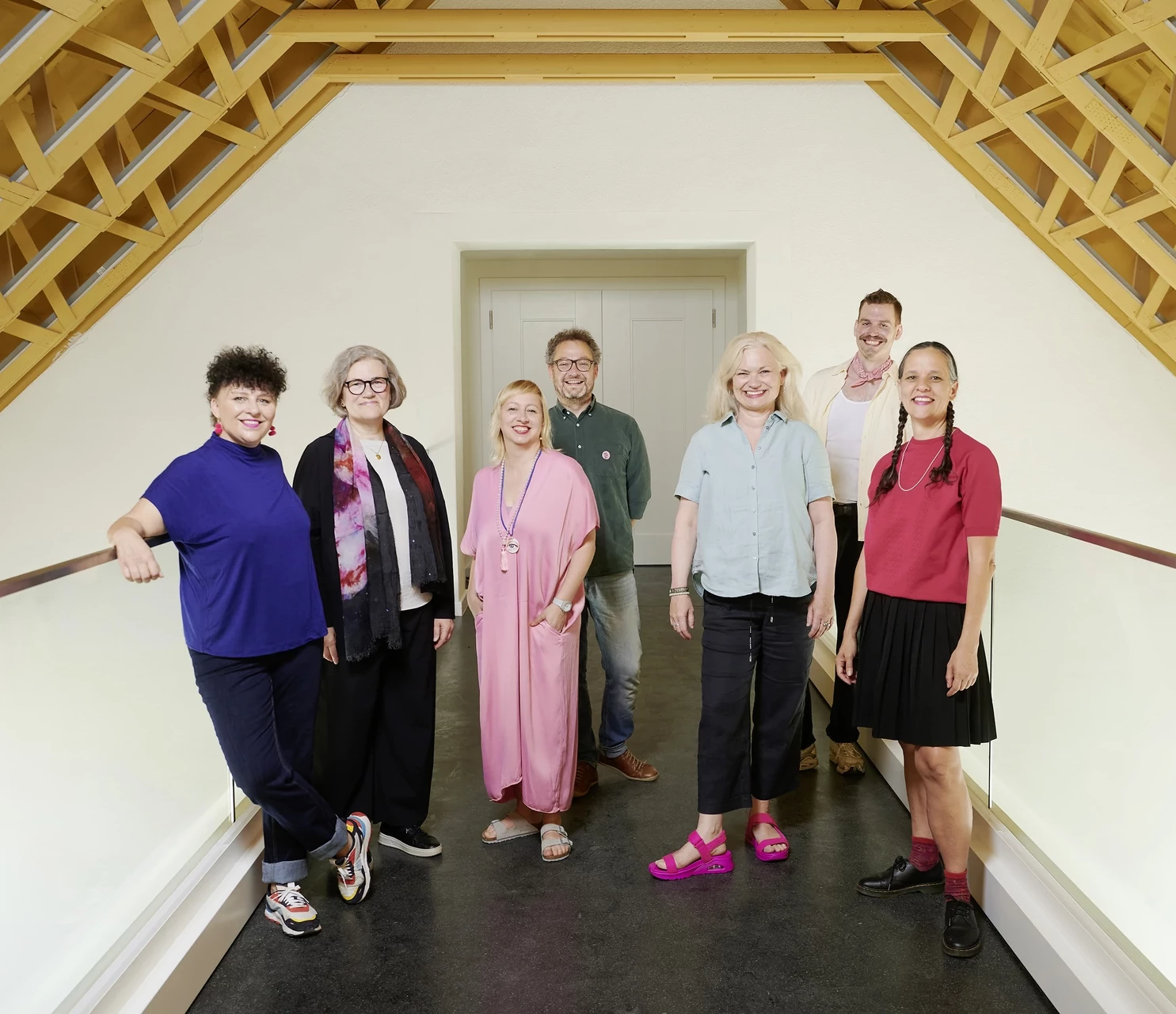
The second day opened with Meet the Jury, a panel discussion featuring Katharina Christl (Rector Palucca Dance University, Dresden), Joanna Lesnierowska (Choreography Curator/Visual dramaturge Cologne/Zurich), Alexandra Morales Artistic (Co-Director Bremen Theatre) and Simone Schulte-Aladag (Co-Director Tnazburo Munich), alongside Carena Schlewitt (Artistic Director of HELLERAU), André Schallenberg (Dance and Theatre Programme Director), and Christoph Bovermann (Artistic Project Director of Tanzplattform Deutschland 2026). Following introductions, the conversation focused on the selection process, the current state of dance in Germany and the most pressing issues within the art form today.
The jury identified several common traits in the performances they evaluated while preparing the festival's programme. These included connection and communication, seen as essential for building trust and community, as well as participation aimed at creating interactive spaces. An important theme was hope, seeking to shine through the darkness of the prevailing global scenario. The discussions highlighted the necessity for more dance in Germany and abroad, viewing it as an art and practice that generates knowledge, communities, and alternative scenarios for living better. The need to reconnect with the body and movement emerged as a pathway to healing and resilience. The jury also underscored the importance of gathering more frequently to foster communication among various stakeholders as a means to grow and expand. However, underlying this optimism was the acknowledgment that Germany has slashed funding for the arts significantly over the past two years, raising crucial questions about how to allocate more resources to culture, particularly to dance. Accessibility and engagement with young audiences were additional points of discussion.
Despite the reduced availability of funding and grants, many performers submitted medium to large productions. This signals a strong desire among dancers to expand their visibility and reach. There exists a profound need for recognition and support within the dance community.
The meeting concluded by reaffirming the essential role of dance in enhancing the well-being of individuals, communities, and social spaces. Dance reflects reality; it acts as a mirror for us to observe ourselves and the society we inhabit. Moreover, it is an art form capable of illuminating new paths, offering fresh perspectives, and potentially providing solutions.
The day continued with the Tanztriennale event Moving Meeting: Shifts in Communication: Who Gets to Speak? This event began with an engaging participatory session, inviting the audience to join a dance warm-up led by dancer and choreographer Noé Vades Vegan. It transitioned into a discussion about communication in learning environments, changing production processes, and the significant influence that students and dancers have today. The panellists provided positive insights, addressing themes such as empathy, one-to-one and group communication, and personal interactions within universities and companies.
 Steve Thomas Photography
 © Steve Thomas
 Steve Thomas Photography
 Stephan Floss
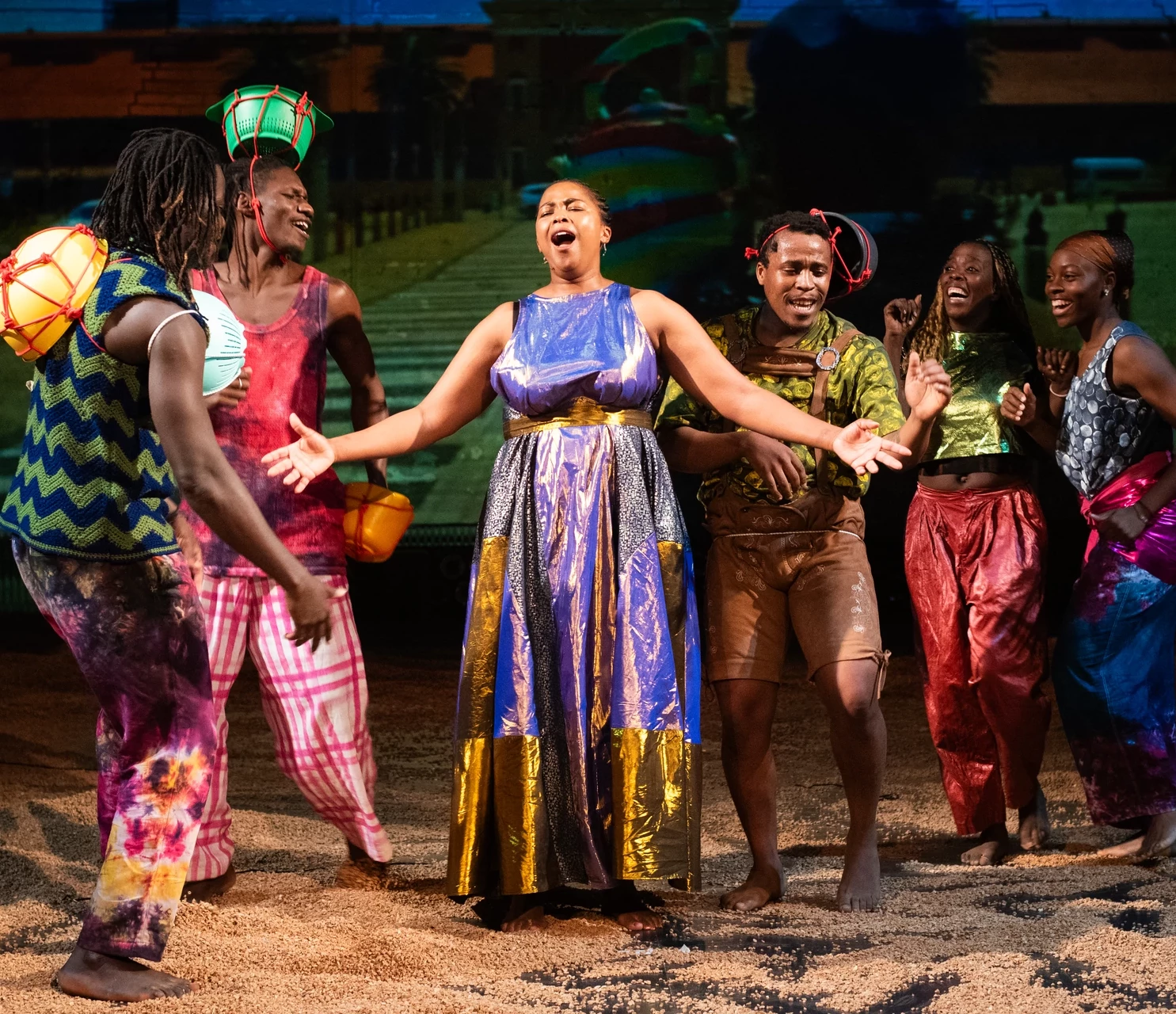
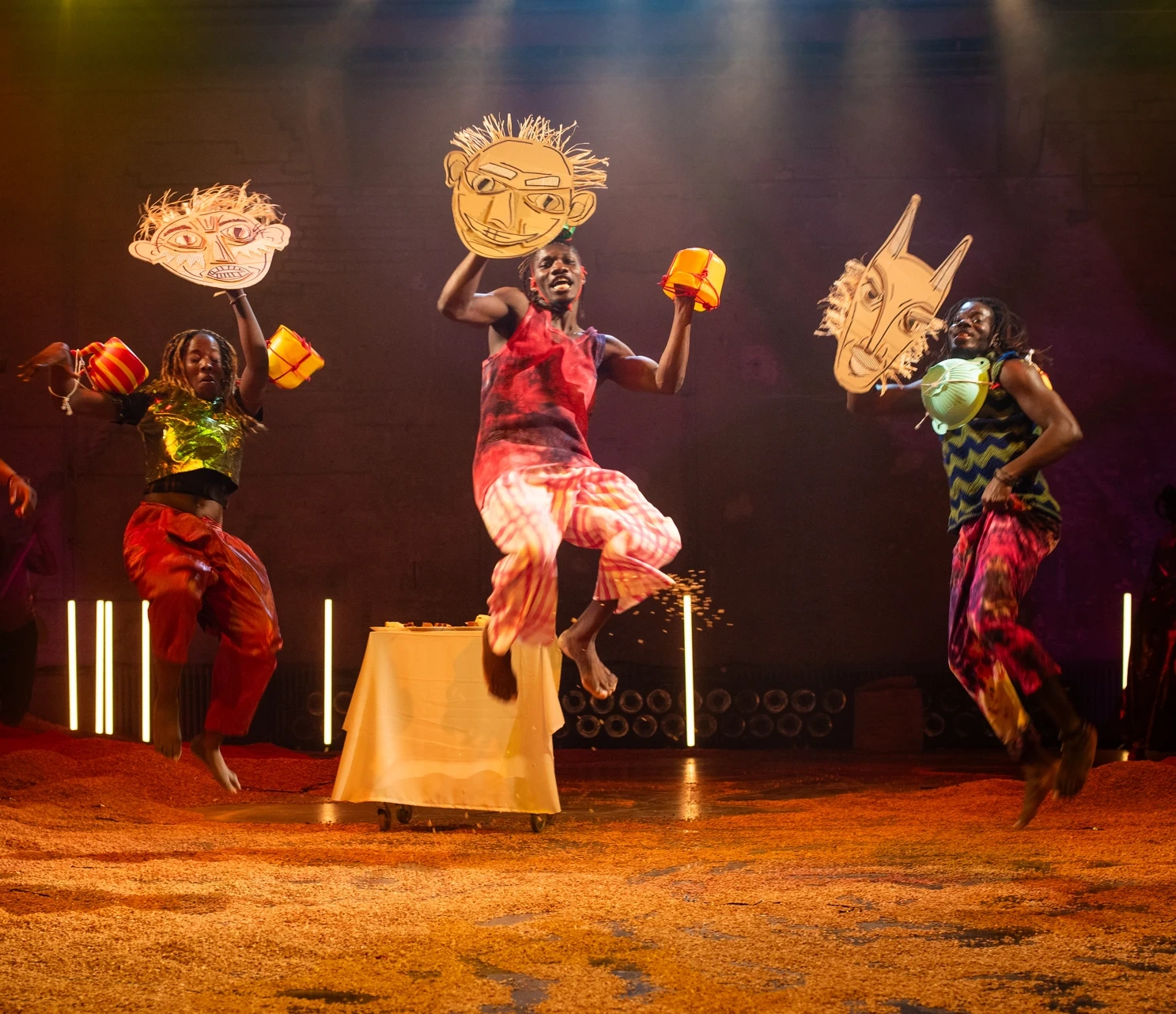
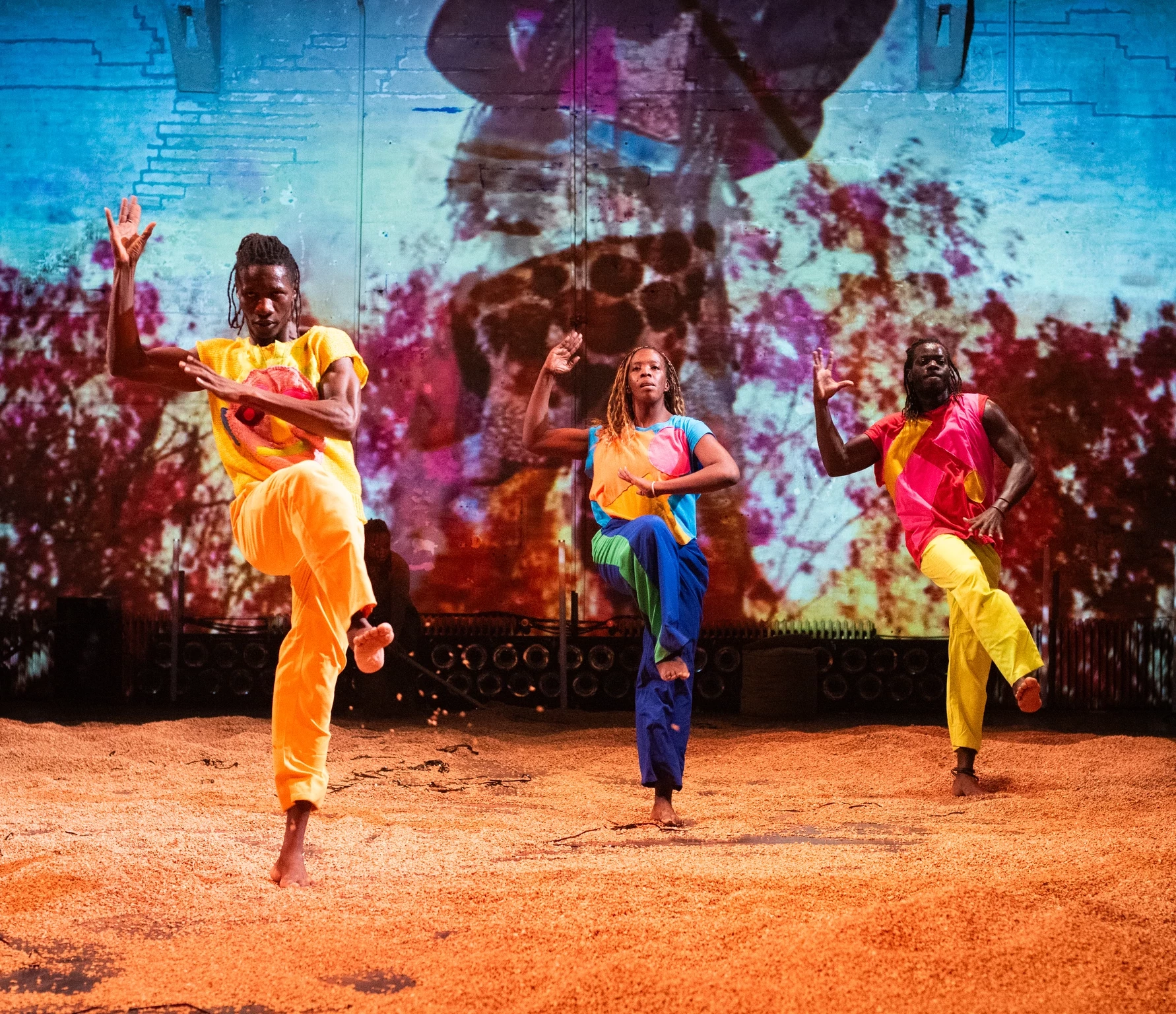
In the evening, I attended Reparation Nation, a dance theatre production by South African choreographer Jessica Nupen. This piece involved artists from Senegal, Namibia, Cameroon, South Africa, Ghana, and Hamburg, serving as a bold denunciation of colonialism and racism, delivered in a direct and confrontational tone. The gravity of these subjects was delicately merged with subtle irony, making the performance both endearing and captivating. It masterfully condemned slavery, racism, and the expropriation of cultural artefacts from the African continent.
Unexpected and impactful moments punctuated the performance, adding dynamism and momentum to the show. Strength, resilience, wisdom, and creativity shone on stage, underscored by performances, music, installations, videos, and costumes. As highlighted in the performance, Germany has faced, and continues to endure, significant incidents of racism, including in Dresden. Nupen noted that they will incorporate stories related to racism in each city where the piece is presented, and we briefly discussed the possibility of offering the performance free to those not working in the arts, especially young audiences. Nupen shared that the work has already been freely showcased in various African countries, with potential future performances in Germany and Europe.
The piece concluded the day on a vibrant note, illustrated through colourful and surprising creativity, alongside energetic and gracefully executed African dances. The overarching message of the events I witnessed so far revolved around the need for active and non-violent communication, human connections, relational intelligence, empathy, endurance, resilience, and respect for all. Such commitments are essential for creating an environment that nourishes and thrives for everyone involved.
About Veronica Posth
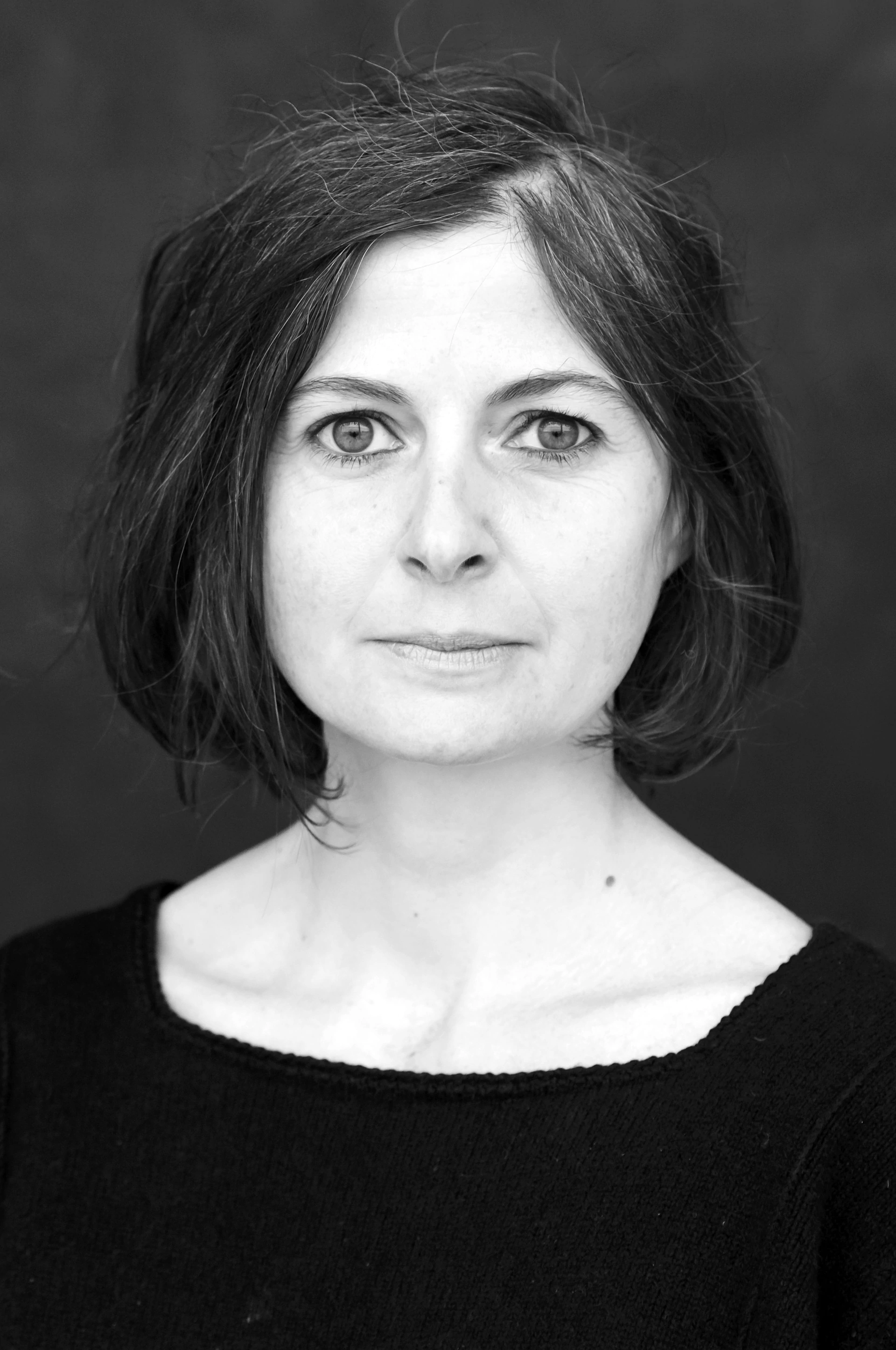
Photo: Lutz Edelhoff
Veronica Posth is a Berlin-based dance and arts journalist with more than ten years of experience in international cultural journalism. Her work has been published in Fjord Review, Dance International, TANZweb, Tanz, Tanec Polska, SeeingDance and Dance ICONS, where she has contributed interviews, features and reviews. With a background in dance and a strong interest in cultural politics and critical theory, she embodies a contextualised and accessible voice in dance criticism.
